

Somewhere along the way, every creative thing I did started to feel like a potential business. If I painted something, I wondered whether I should sell prints of it, and if I baked something good, I immediately imagined a little stall at the farmers market with a hand-lettered sign. If I wrote something, I thought about followers and engagement and whether it counted as “content.” I once made a really nice candle and, within ten minutes, had mentally designed the packaging and priced it at twenty-four dollars. (HONESTLY, what is wrong with me?)
As someone who already sells things I make by hand (hi, Mail Club!), I know how easily the line between joy and work can blur, and it was exhausting. It was sucking the fun out of almost everything I loved. So I decided to spend one Saturday making something I would never, ever sell.
My rules for making something just for fun
I set myself four rules and wrote them on a sticky note, so I couldn’t pretend I’d forgotten them.
No photos for social media. That meant no “process” shots and not even a single story.
No imagining who might buy it. Every time my brain started pricing something, I had to stop and drink a glass of water, so I was very hydrated that day.
No deadline. It could take an hour, the whole day or three Saturdays, and it truly didn’t matter.
Make it because I want to see it exist. That was the only reason allowed.
What I made
I made a collage for my kitchen wall. I pulled out a stack of old magazines, a map from a trip I loved, a handful of pressed flowers I’d been saving in a heavy book and a few pages of a poem I’d copied out by hand in my best (still not great) handwriting.
It took the entire afternoon. I cut things out and rearranged them for hours, and I moved a single pressed pansy approximately forty times. I drank an alarming amount of tea, listened to an entire Nina Simone album twice and at one point realized I had been sitting on the floor for three hours and my leg had fallen asleep in protest.
How it felt
It felt free, genuinely free, in a way that making things hadn’t felt for me in a very long time. Without an imaginary audience watching over my shoulder, I took risks. I used colors I don’t even like just to see what would happen, I glued something upside down on purpose, and I covered up a part I loved with something weirder. It didn’t need to be good or marketable or anything at all. It only needed to be mine.
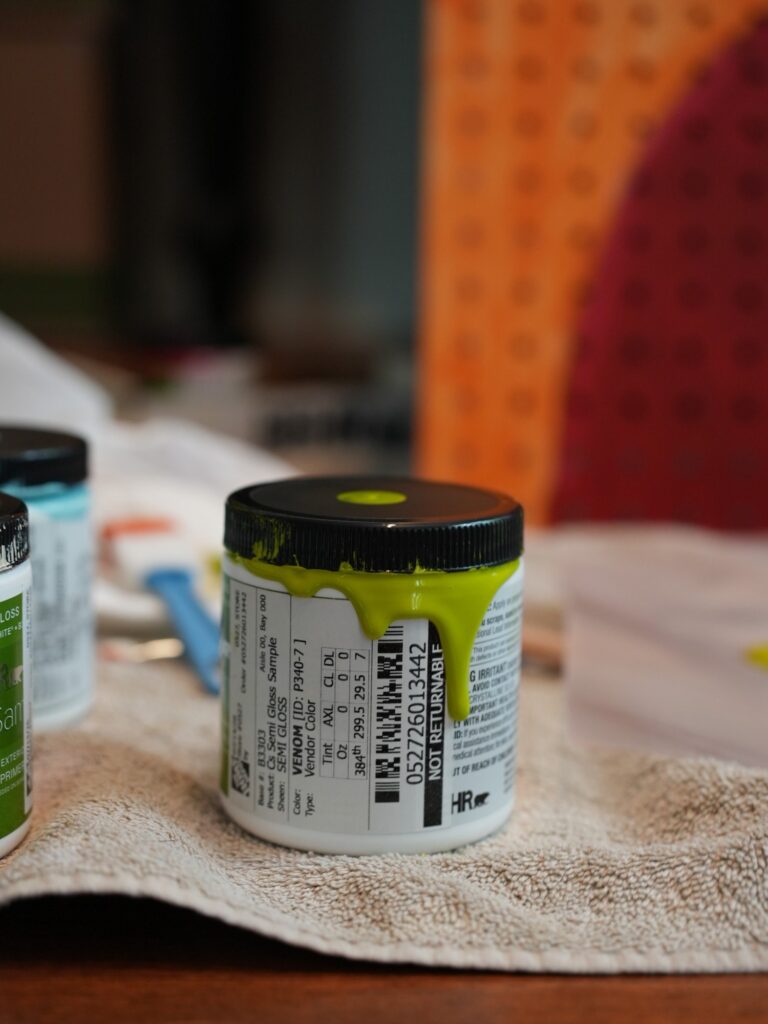
And here’s the funny part: it’s one of the best things I’ve ever made, probably because I wasn’t trying so hard.
Not everything you make has to become a product. Some things are only meant to become part of your life.
Why the side-hustle mindset ruins hobbies
There’s so much pressure now to monetize every talent we have. If you’re good at knitting, someone will tell you to open an online shop, and if you make nice cookies, you should obviously start a business. Sometimes that comes from a good place, and for some people it really works! But it can also turn rest into work and play into a performance, and it can quietly make you stop doing the very things that used to recharge you.
A hobby you’re trying to sell slowly becomes work, while a hobby you do for joy is a gift to yourself. Both are fine, but every one of us needs some of the second kind, and I’ve learned that I don’t want to be a content creator about everything I love. Some things I just want to enjoy.
My new tradition: one Saturday a month for making
Now, one Saturday a month, I make something purely for pleasure. It might be a scarf with uneven stripes, a small watercolor of my coffee cup, a cake that tilts or a terrible poem that rhymes “Tuesday” with “bruise day.” These are things that will never be listed for sale, only loved.
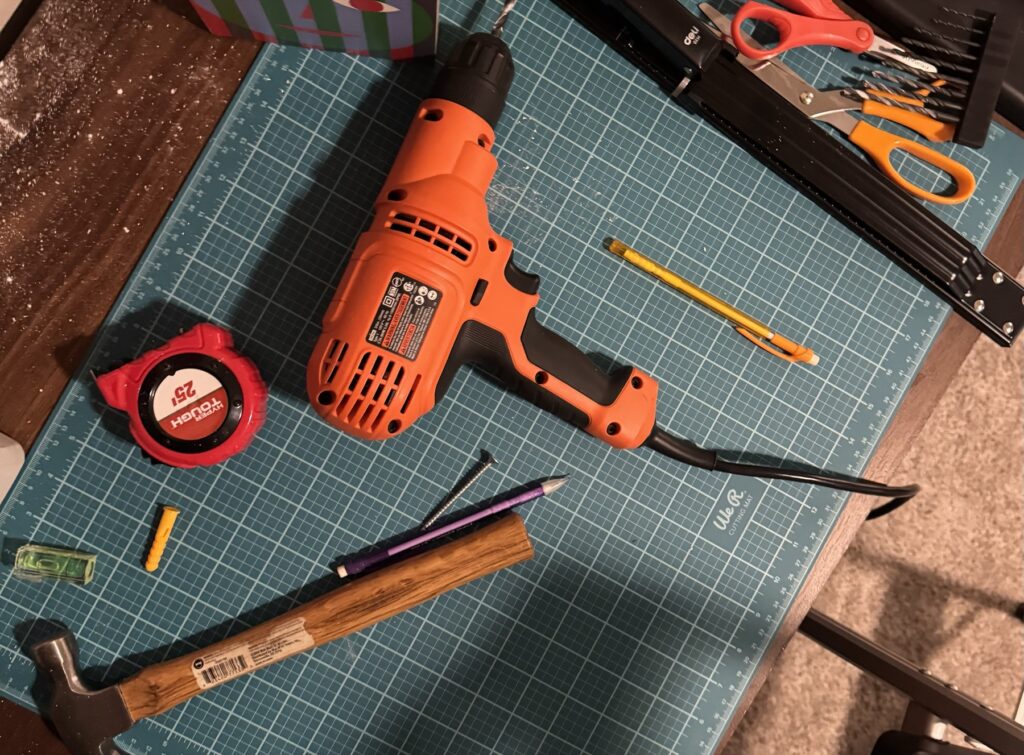
If you want to try it, pick a date and protect it, then gather whatever supplies you already own instead of buying anything new. Put on some music, put your phone in another room and make something you would never show anyone, and then, if you feel like it, show someone anyway.
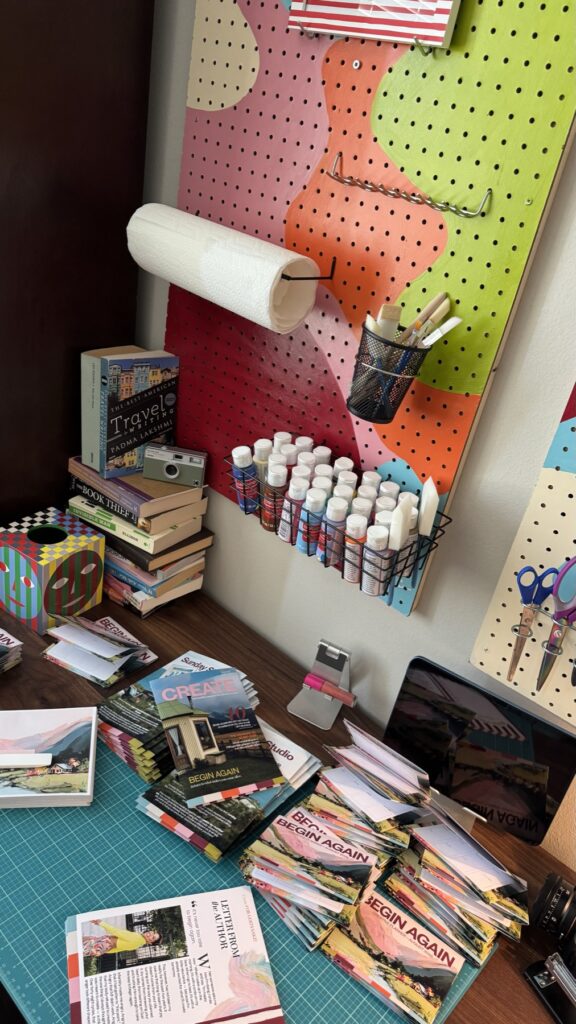
Creativity doesn’t have to earn its keep. Sometimes it’s enough that it keeps you company. For more on that, read why making things by hand is good for you, crooked results and all.
Did this one delight you? Tap the heart.
Did this one stay with you? I’d love to hear what you think.
Join the conversation (1 thought)



1 thought on “What Happened When I Made Art I’d Never Sell”
Not every hobby needs to become a side hustle. What do you make purely for yourself?