
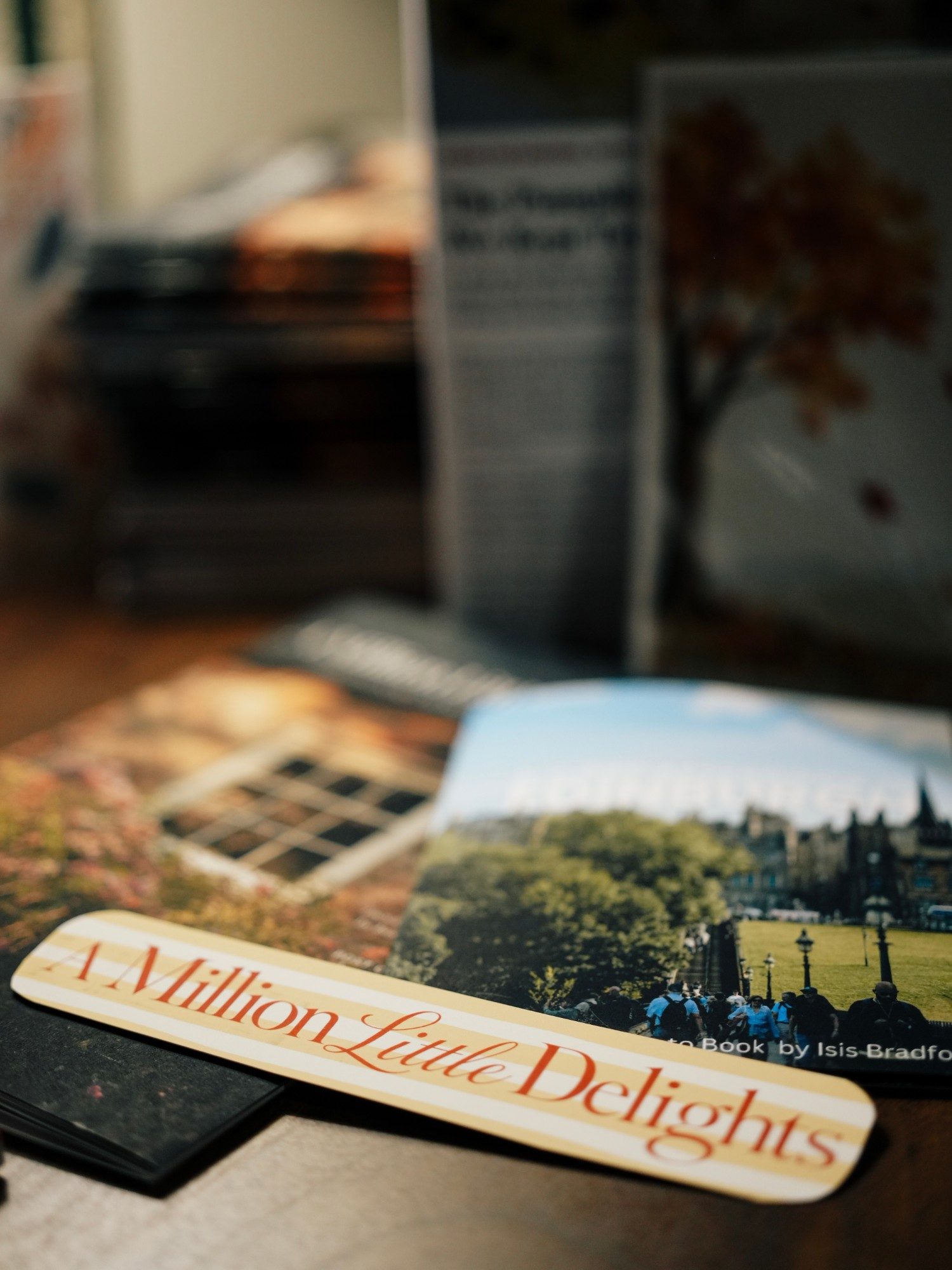
I came home from a trip with hundreds of photos and, I swear on everything, not a single good one. There were blurry streets, crooked buildings that looked like they were sliding off the edge of the frame and a spectacular dinner photographed in what I can only describe as dungeon lighting. There was even a sunset that looked, on my phone, like someone had spilled orange juice on a gray sweater, which is embarrassing for someone who calls herself a travel photographer!
I scrolled through the album on the plane home and genuinely considered deleting the whole thing out of shame. Instead, I picked fifty of the worst and made a book, and it’s now one of my favorite things I own.
Step one: choosing photos for feeling, not quality
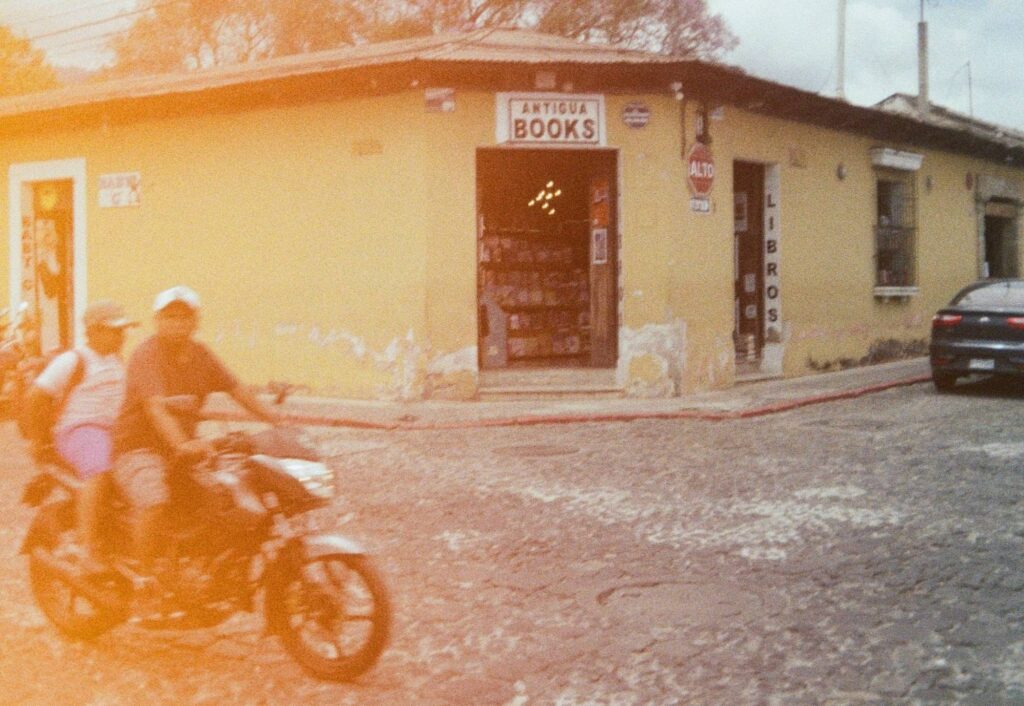
This was the big shift. Instead of looking for “good” photos, I looked for the ones that held a feeling: the blurry tram I almost missed because I was running and laughing, the dark restaurant where we stayed for three hours while the waiter kept bringing us things we didn’t order, and the crooked view from a hotel window I will never forget, because I stood at it every morning with terrible coffee and felt completely happy.
None of these photos were technically good, but all of them were true. If a photo made me feel something when I looked at it, it made the cut, no matter how blurry it was.
Step two: designing the pages
I kept the design simple, with lots of white space around each photo so even the bad ones had room to breathe. I used one photo per page most of the time and two when they seemed to be having a conversation.
Under each one, I wrote a short caption, sometimes a sentence, sometimes a phrase and sometimes just a word: “Late again.” “The best bread.” “We got lost here and didn’t care.” “Do not order the fish.” They were honest and a little funny, exactly how I’d tell the story to a friend. I also grouped the photos by mood instead of by day, with a section for the mornings, one for the food and one for getting lost, which made the book feel like a memory instead of an itinerary.
What changed when I printed them
Here’s the magic: printed small on matte paper, with room around them, those photos looked intentional. The blur looked like movement, the dark restaurant looked like atmosphere, and the crooked window looked artsy, like I meant it. The captions turned mistakes into memories, which is, frankly, the most flattering thing paper has ever done for me. On my phone, those photos were failures, but in a book, they became a story.
A photo doesn’t have to be good to be precious. It just has to remember something you don’t want to forget.
How to make a photo book from your own imperfect travel photos

Pick your favorite imperfect photos. Aim for thirty to fifty, and choose for feeling rather than sharpness, so if a photo makes you smile or ache, it’s in.
Print small. Smaller prints hide a lot of sins, because a blurry photo looks like a mistake at full-page size and like a mood at four inches.
Choose matte paper. Glossy paper shows every flaw and every fingerprint, while matte is softer and more forgiving, like good lighting at a restaurant.
Write one honest line for each photo. Write what it felt like, not what it is, because “the best bread” is so much better than “bakery in town.”
Group by mood, not by date. Try sections like mornings, meals, getting lost and the people, because your memory doesn’t work chronologically, so your book doesn’t have to, either.
Keep it somewhere you’ll actually pick it up. Put it on the coffee table, not in the closet, because a good trip deserves a home outside your phone.
Why this matters more than the perfect shot
We take thousands of photos and look at almost none of them, and they sit in our phones getting buried under screenshots and receipts. Making a little book is a way of saying that this trip mattered, and it doesn’t have to be fancy at all. Mine cost less than a dinner out, and every guest who comes over picks it up.
If you love this kind of travel keepsake, try making a pocket travel journal on your next trip, or start a little ritual of making things by hand, because imperfect is the whole point.
Did this one delight you? Tap the heart.
Did this one stay with you? I’d love to hear what you think.
Join the conversation (1 thought)



1 thought on “How to Turn Imperfect Vacation Photos Into a Travel Book You’ll Treasure”
Most of my vacation photos are blurry or somebody’s blinking, and that’s exactly why I love making a book from them. Have you ever made a photo book from a trip?