
Somewhere in the 1990s, I formed a very specific idea of what adulthood would look like. I would do work I loved, live in an apartment with a great couch and have a group of friends who walked in without knocking. Nobody would ever text first, and somebody would always bring food.
Real adult life has turned out to involve a lot more calendar invites than I expected, but I still blame (and thank) the Black sitcoms that made having friends as an adult look so good. These are the shows I rewatch whenever I need that feeling back.
Living Single: the blueprint
Yvette Lee Bowser’s Living Single premiered on Fox in 1993, a full year before Friends, and I will mention that at every opportunity for the rest of my life. Khadijah, Synclaire, Regine and Max share a Brooklyn brownstone, Kyle and Overton live upstairs, and adulthood looks like your people are always five minutes away from walking through the door.
Bowser has described the goal as “a universally entertaining but culturally specific experience,” and of the cast’s bond she says, “We’re still true blue, tight like glue” (The Black Wall Street Times). I loved this show so much that I wrote a whole essay about how Khadijah James became my magazine-editor blueprint.
Girlfriends: messier, deeper and essential
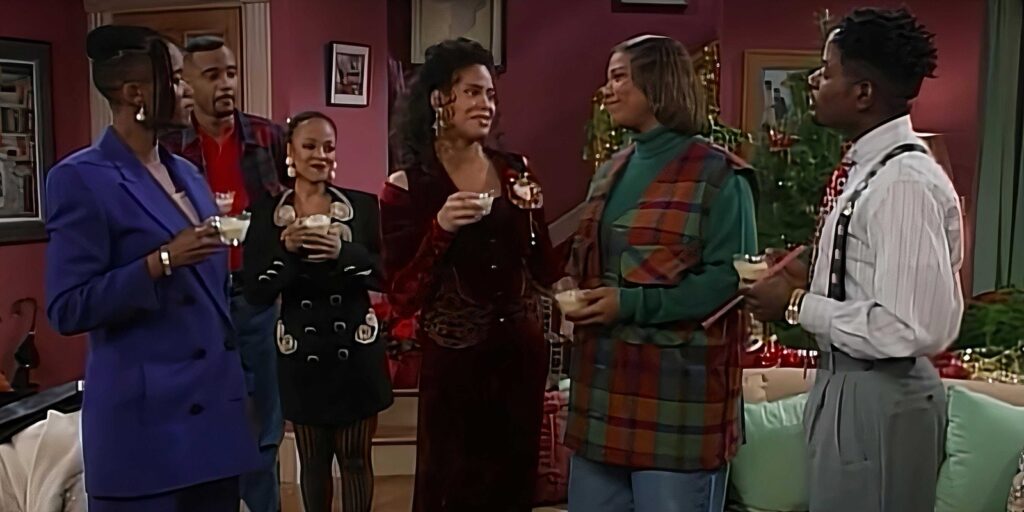
Joan, Toni, Maya and Lynn are messier than the Living Single crew, and honestly, that’s the point. Girlfriends may be the ultimate show about Black women’s adult friendship, because it lets those friendships get complicated and even lets one of them end. I wrote more about what Girlfriends knew about friendship before I did, because that show taught me things I didn’t understand until my thirties.
A Different World: friends who grow up together
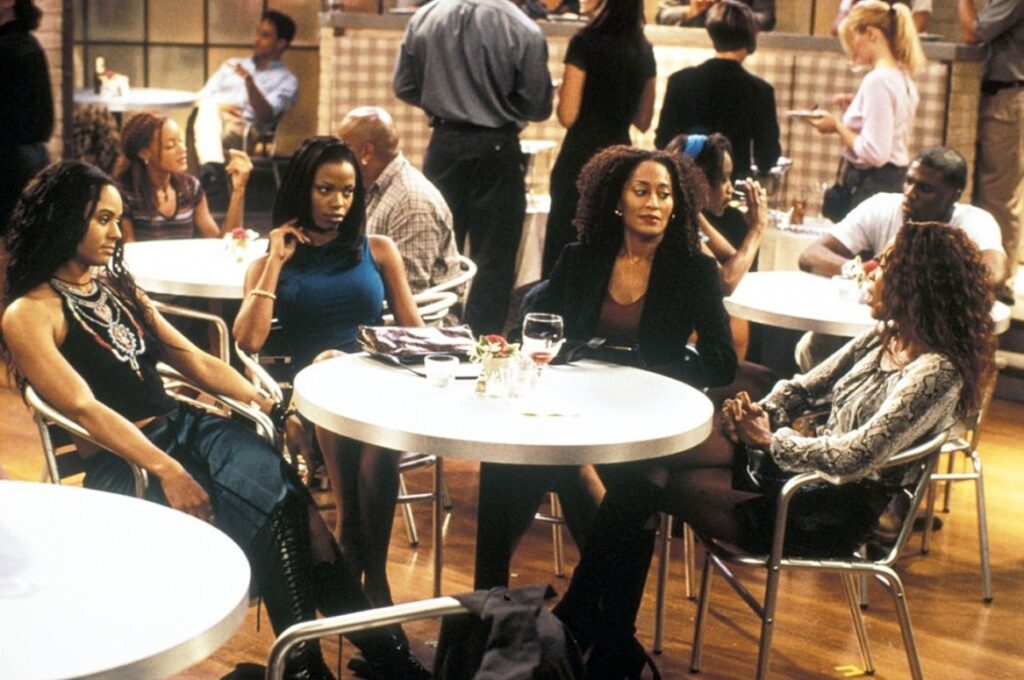
Technically, A Different World is a college show set at the fictional Hillman College, but watching Whitley, Dwayne, Freddie, Kim, Ron and Jaleesa slowly turn into adults is a big part of the pleasure. These are the friendships you make at nineteen and somehow still have at thirty, and the show makes you believe that’s possible for you, too.
Martin: the lost art of dropping by
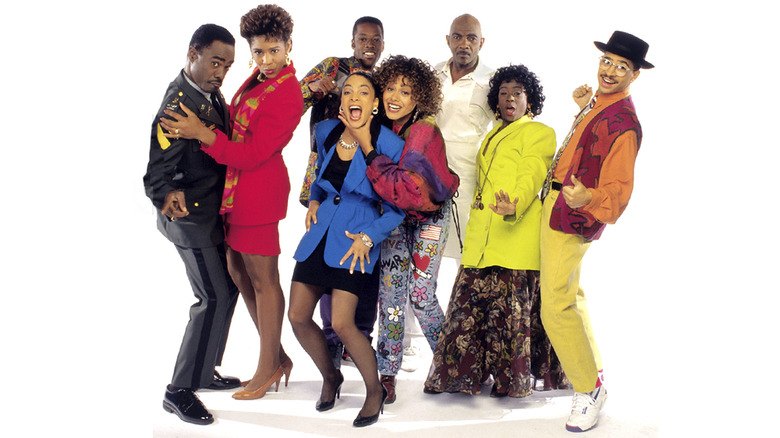
On Martin, somebody was always at somebody else’s apartment. Martin, Gina, Pam, Tommy and Cole drifted in and out of each other’s homes in Detroit as if they shared one big house with separate leases, and nobody ever called ahead. Gina and Pam’s friendship in particular is a masterclass in loyalty delivered through insults. I miss that drop-by culture more than I can explain, and I would really like to bring it back, at least on Sundays.
Half & Half: early-2000s young professional dreams
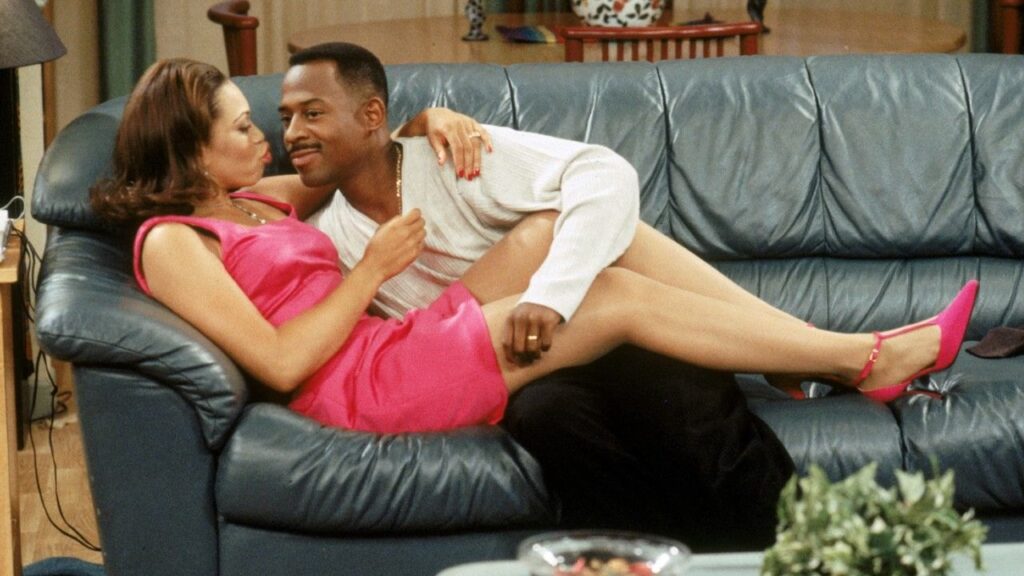
Half & Half follows half-sisters Mona and Dee Dee, who end up living in the same San Francisco apartment building after years of keeping their distance. Between the sisters, the neighbors, the careers and the dating lives, it captured a very early-2000s fantasy of Black young professional life, outfits very much included.
Insecure: friendship when adulthood gets complicated
Issa Rae’s Insecure is the modern counterpoint. Issa and Molly have been best friends since college, and the show is honest about how careers, relationships and money can stretch a friendship until it almost snaps. Their falling out, and their slow way back to each other, felt more real to me than most TV romances ever have.
Harlem: the new glamorous ensemble
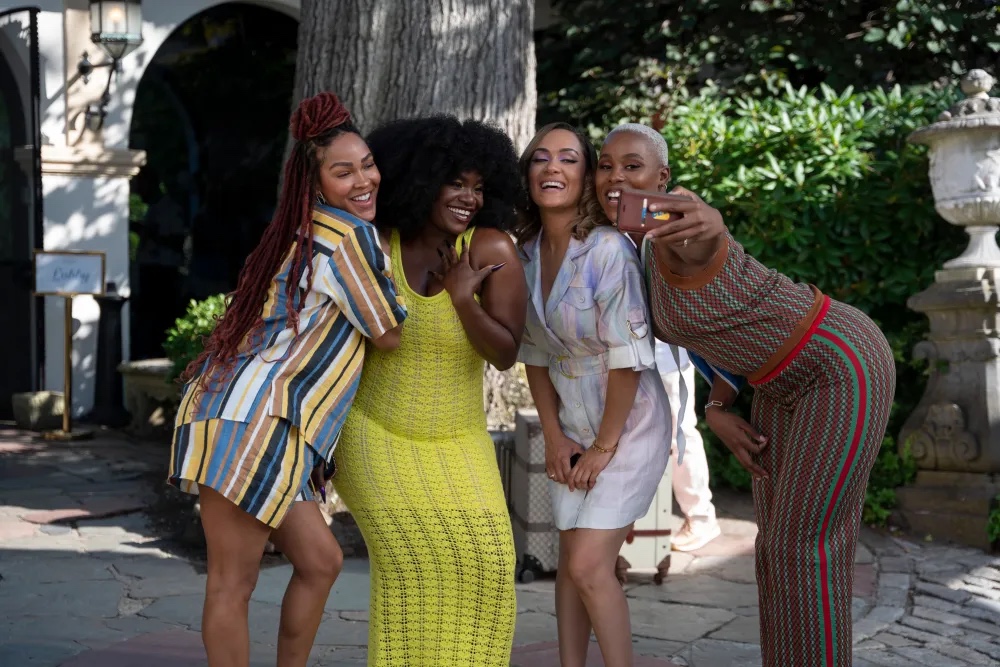
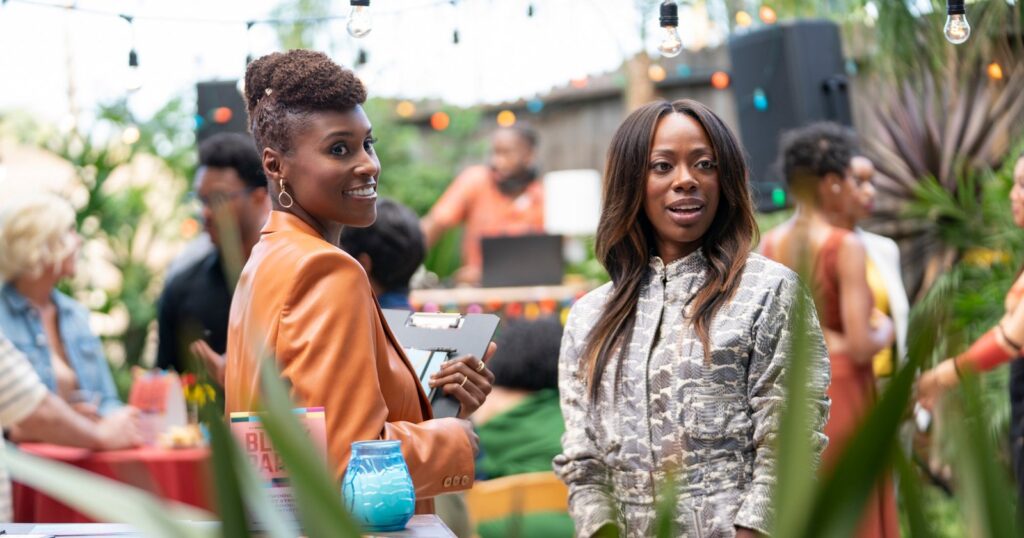
Tracy Oliver’s Harlem gives us Camille, Tye, Quinn and Angie, four friends from college navigating love and ambition in New York. Camille teaches, Tye built a dating app, Quinn designs clothes and Angie is a performer who absolutely refuses to be ignored. It’s glossy and funny, and it’s very clearly a descendant of every show above.
How to borrow a sitcom friendship in real life
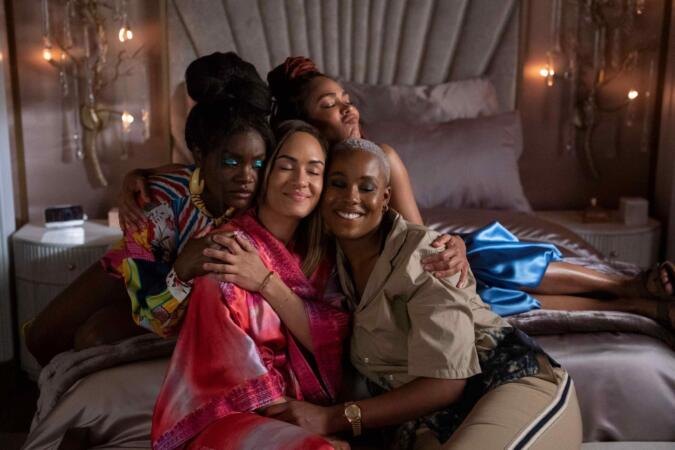
You don’t need a shared brownstone to get some of this magic! Pick a standing night with your friends and protect it, even if it’s just takeout and a rewatch, and keep a spare chair and a little extra food on hand so that “come by” can actually mean something. Most of all, be the friend who says yes to the last-minute invitation. Every one of these shows runs on people who keep showing up for each other, and that part is completely within our budget.
Why these shows still feel like comfort
The best comfort TV has plenty going on. What makes it comforting is knowing that whatever happens, your people will be there in the next scene, and that’s what these Black sitcoms understood about adult friendship. It isn’t always easy, but it’s worth arranging your life around.
If today calls for something shorter, here are five TV episodes to watch after an embarrassingly bad day. Then call a friend and invite yourself over, because Martin would.
Did this one delight you? Tap the heart.
Did this one stay with you? I’d love to hear what you think.
Join the conversation (1 thought)



1 thought on “The Black Sitcoms That Made Friendship Look So Good”
Which sitcom friendship made you believe you’d be living in a brownstone with all your friends by 25? Living Single had me fully convinced.